

Medical & Dental Instrument Cleaning
Reliable pre-sterilization ultrasonic cleaning for instruments—fast, consistent soil removal with the right baskets and chemistry.
Safe, thorough cleaning of used surgical, dental, and clinical instruments before sterilization—meeting CDC guidelines for instrument reprocessing.
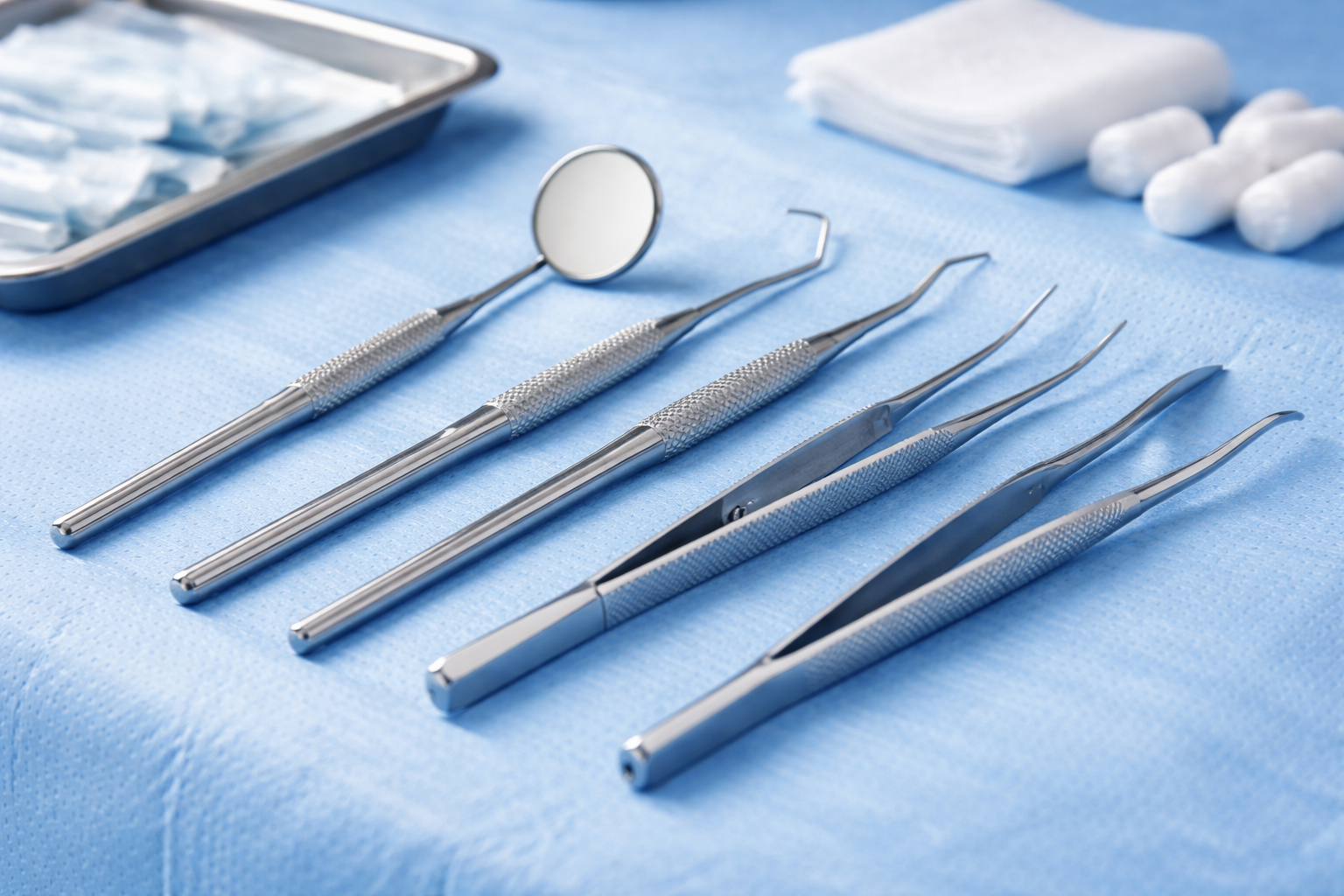
Best Fit Settings
- Doctor's offices and clinics
- Dental practices
- Surgical centers
- Veterinary clinics
- Podiatry offices
Ready to talk? Call (908) 965-8677 or request a quote to get started.
Common Instruments
- Surgical instruments and tools
- Dental handpieces and scalers
- Forceps and clamps
- Speculums and retractors
- Curettes and probes
Soils Removed
- Blood and bodily fluids
- Tissue and organic matter
- Ointments and excretions
- Dried-on debris
Process Priorities
- Thorough soil removal
- Reaching hinges and crevices
- CDC-compliant workflow
- Preparation for sterilization
Why Ultrasonic Cleaning Before Sterilization
The CDC recommends cleaning instruments before sterilization because organic debris can shield microorganisms from the sterilization process. Ultrasonic cleaning provides thorough soil removal that manual scrubbing cannot match—especially for instruments with hinges, lumens, and complex geometries.
Ultrasonic cavitation reaches into crevices and blind holes where blood, tissue, and debris collect. This ensures instruments are properly cleaned before autoclaving or other sterilization methods.
- Removes organic matter that manual cleaning misses
- Reaches hinges, joints, and serrated surfaces
- Reduces risk of cross-contamination
- Supports CDC instrument reprocessing guidelines
CDC Instrument Reprocessing Steps
- Transport – Move contaminated instruments safely to processing area
- Cleaning – Remove visible soil (ultrasonic cleaning recommended)
- Rinse – Remove cleaning solution residue
- Dry – Prepare for sterilization
- Sterilize – Autoclave or appropriate method
- Store – Maintain sterility until use
Reference: CDC Guidelines for Disinfection and Sterilization in Healthcare Facilities
Suggested Ultrasonic Systems
| Ultrasonic Cleaner | Best Fit | Why It Works |
|---|---|---|
| Elmasonic E Plus | Small practices, dental offices | Compact, reliable, easy operation |
| Elmasonic Select | Multi-operatory practices | Programmable cycles, larger capacity |
Recommended Baskets
Note: Baskets are sold separately and should be sized to match your tank.
Recommended Cleaning Solutions
Dilute MedClean C7 to 1-3% for enzymatic cleaning of blood, tissue, and bioburden from surgical and dental instruments.
Recommended Accessories
Frequently Asked Questions
Yes, ultrasonic cleaning is widely used for surgical and dental instruments, providing thorough cleaning without manual scrubbing. Common items include forceps, scissors, clamps, and dental tools. Always measure your largest instrument to ensure it fits in the tank.
Use enzymatic or neutral pH detergents designed for medical instruments. Always follow manufacturer guidelines.
No, ultrasonic cleaning removes debris and contaminants, but sterilization must be performed separately (e.g., autoclave).
Why Buy from Tovatech?
PhD-level support helps you select the right cleaner, chemistry, and process.
Trusted by labs, manufacturers, and service centers across industries.
Most systems ship same or next business day from our US warehouse.
All Elmasonic cleaners include a 2-year manufacturer warranty.
Need help choosing the right system?
Tell us about your practice size, instrument types, and daily volume. We'll recommend the right ultrasonic cleaner for your reprocessing workflow. Talk with our team.